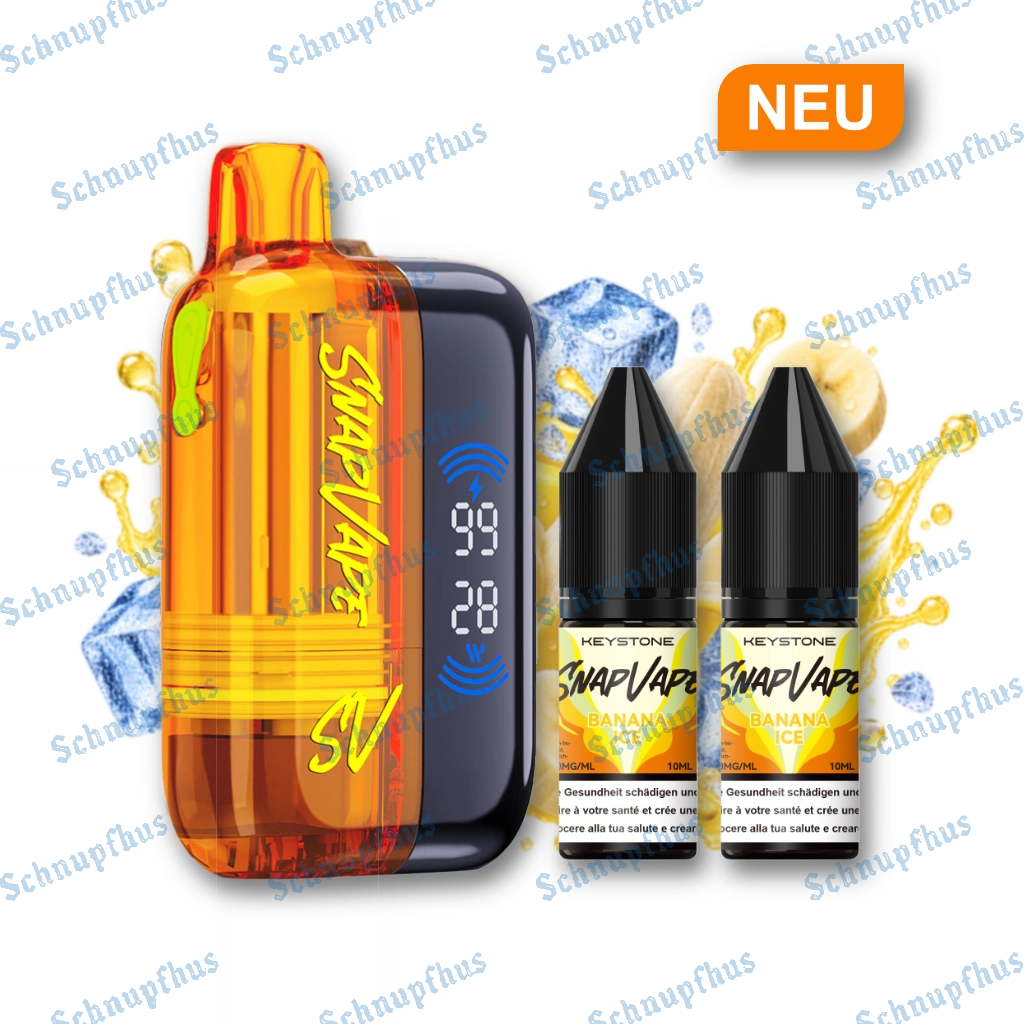
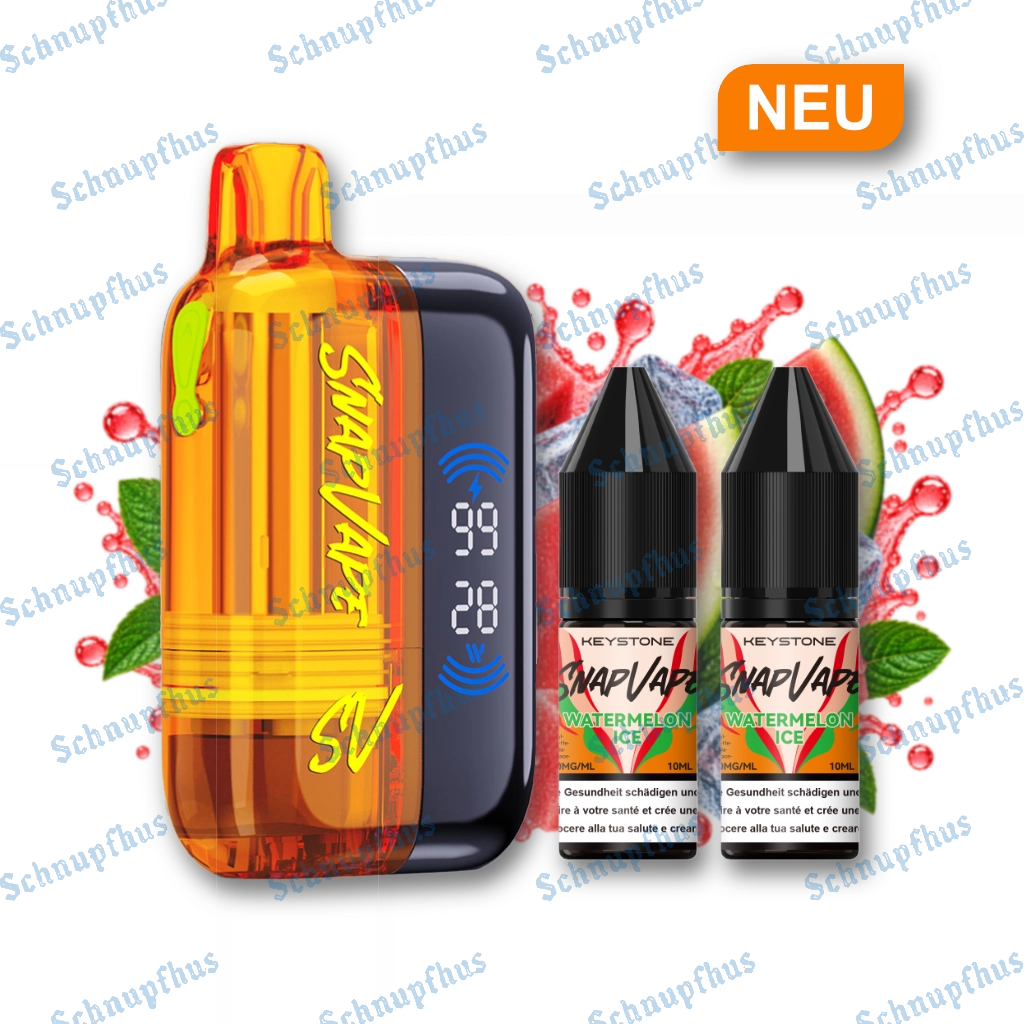
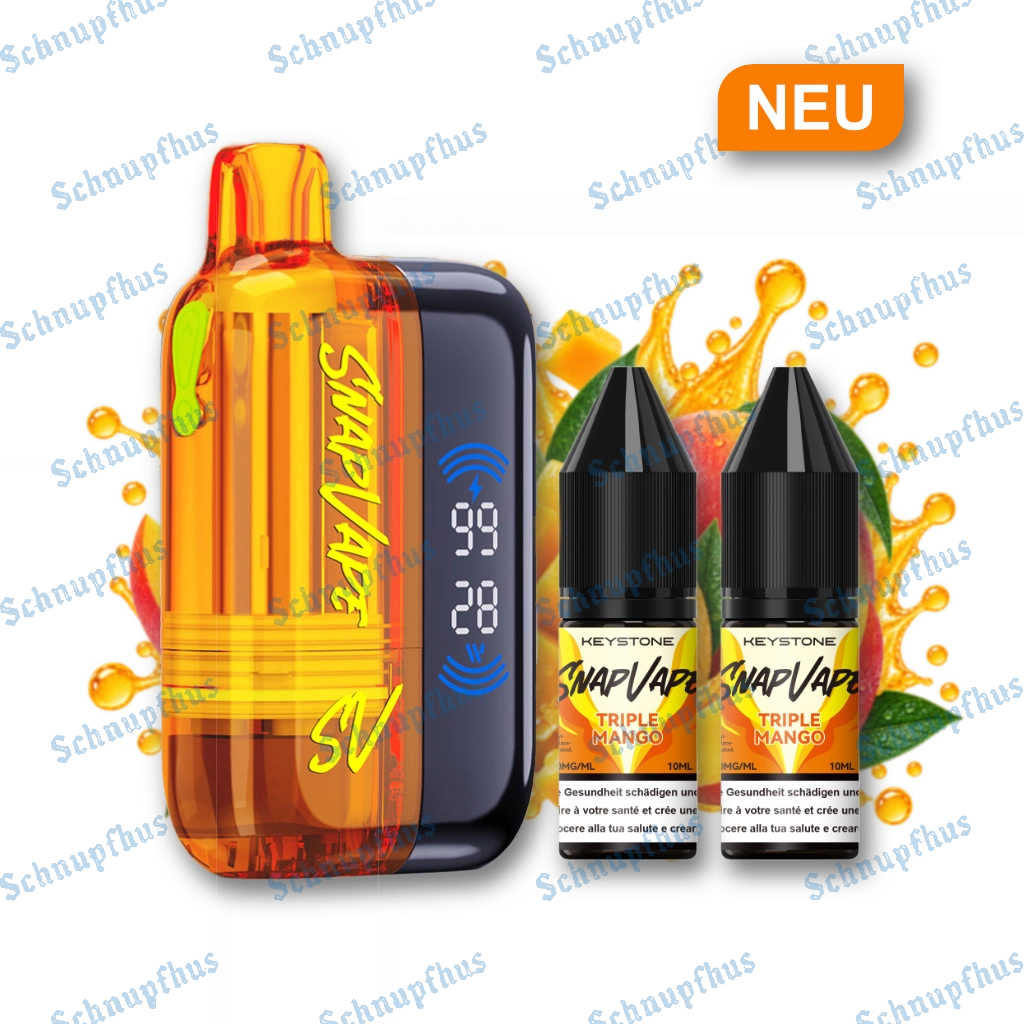
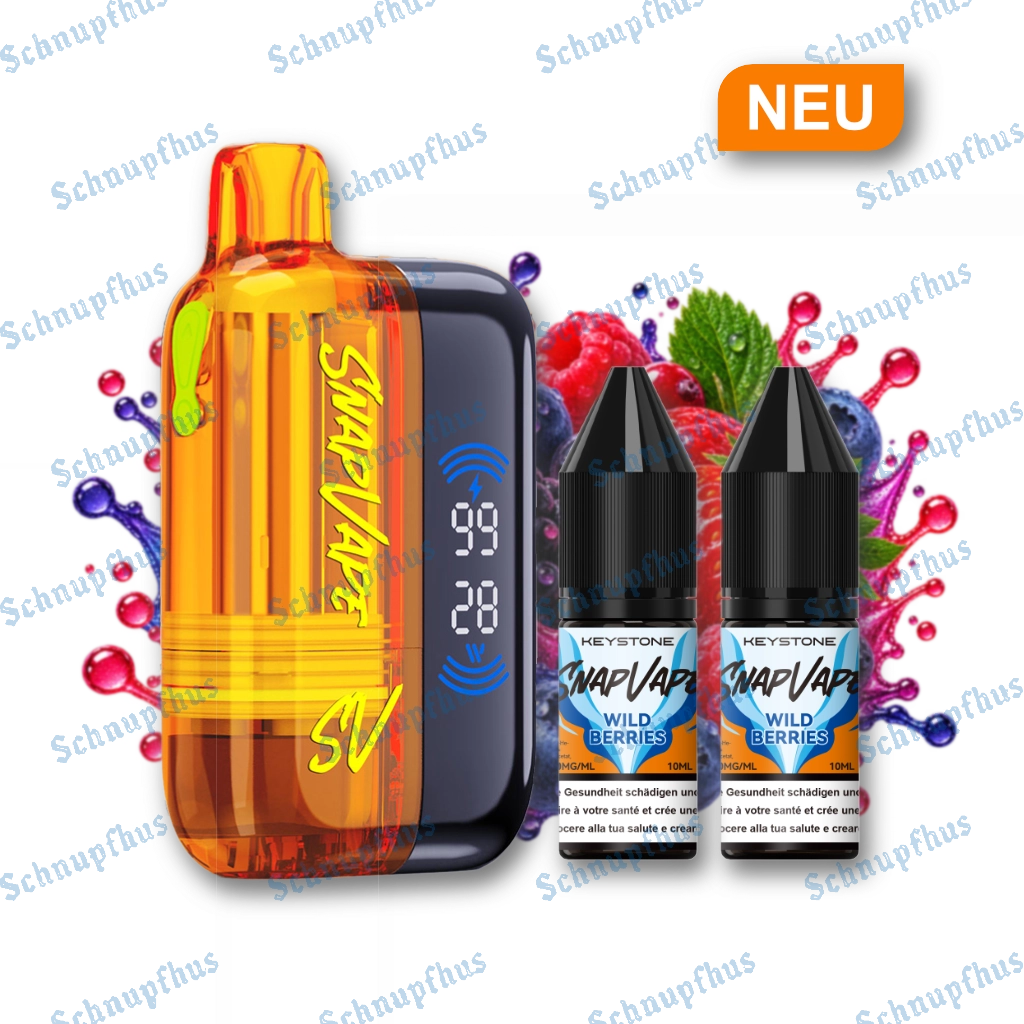
Brand Guide: Solobar at a Glance – Product Range, Features, and Usage
The e-cigarette market has diversified significantly in recent years. One brand that has established itself in this segment is Solobar. Anyone looking for a Solobar in Switzerland at specialist retailers will usually find compact devices designed for the most straightforward use possible. In this editorial guide, we examine the product range, technical features, and proper handling of the products. Furthermore, we address one of the most critical aspects of this product category: correct disposal after use.
What is Solobar?
Many adult smokers looking for an alternative to traditional tobacco ask themselves exactly: What is Solobar? Simply put, it is an e-cigarette brand focused on so-called disposable vapes. These devices come fully assembled from the factory, pre-filled with liquid, and with a pre-charged battery. The Solobar e-cigarette is designed as a closed system. This means that neither the liquid can be refilled nor the battery recharged. Once the liquid is depleted or the battery capacity is exhausted, the device has reached the end of its life cycle.
The devices are designed for MTL (Mouth-to-Lung) vaping. This draw technique imitates the restrictive draw resistance of a conventional cigarette and is therefore perceived as familiar by many users making the switch.
Product Range and Features of the Solobar Vape
The classic Solobar vape features a standardized, cylindrical, or slightly flattened design optimized for portability. The casing is robustly built and houses the three main components of any e-cigarette: the battery, the heating element (coil), and the liquid reservoir. The battery capacity is precisely matched to the amount of liquid contained, ensuring the device delivers consistent performance down to the last drop of liquid.
Solobar Nicotine Content and Liquid Used
A key criterion when choosing a product is the Solobar nicotine content. Devices from the brand generally use liquid based on nicotine salt. Nicotine salt liquids offer the technical advantage of producing a comparatively smooth vapor even at higher concentrations (less "throat hit" or scratching in the throat), making inhalation more pleasant. Standard concentrations are 20 mg/ml, which corresponds to the legal upper limit in many European countries. Depending on the region and specific range, variants with 10 mg/ml or completely nicotine-free versions are sometimes also available.
Solobar Flavors and Taste
The variety of Solobar flavors and taste profiles is extensive and aligns with general preferences in the e-cigarette market. The range can be roughly divided into the following categories:
- Fruity flavors: Classics like apple, mixed berries, peach, or mango.
- Freshness profiles (Ice): Fruit or beverage flavors combined with a cooling effect (usually by adding Koolada), e.g., Watermelon Ice.
- Beverage flavors: Recreations of lemonades or energy drinks.
- Classic flavors: Tobacco or mint flavors for users who prefer a more traditional profile.
Solobar E-Cigarette Usage: How it Works in Everyday Life
When it comes to Solobar e-cigarette usage, the focus is on simplicity. The devices operate entirely without buttons, menus, or settings. Vaping is controlled exclusively via an integrated draw activation system. A vacuum sensor inside the device detects as soon as the user draws on the mouthpiece and activates the heating element in a fraction of a second. This vaporizes the liquid, whereupon the vapor can be inhaled. Once the draw is finished, the device switches off immediately. This makes handling highly intuitive, especially for beginners who do not want to deal with the technology of reusable systems.
Proper Disposal: Disposable Vapes as Electronic Waste
Since a disposable vape is a self-contained system with a permanently installed lithium-ion battery and electronic components, correct disposal is of utmost importance. Solobar devices must under no circumstances be disposed of in regular household waste.
They are classified as electronic waste. Empty e-cigarettes must be handed in at designated collection points for electronic devices, recycling centers, or in specially provided return bins at specialist retailers. Only through proper disposal can valuable raw materials like lithium and copper be recycled, and the environment protected from harmful impacts. Those looking to reduce waste in the long term can find information in the comparison between disposable vapes and more sustainable alternatives. Often, disposable devices only serve as an initial stepping stone before users switch to more environmentally friendly, reusable pod systems.
Conclusion
The Solobar brand offers a clear, user-friendly product range in the disposable e-cigarette sector. With reliable draw activation, hardware tailored for MTL vaping, and a wide selection of liquids with nicotine salt, the product is primarily aimed at adult switchers. However, the simple usage does not eliminate responsibility on the consumer's part: the devices must necessarily be recycled as electronic waste after use.
Frequently Asked Questions about Solobar
What distinguishes e-cigarettes from the Solobar brand?
Solobar products are characterized by their closed disposable design. They are ready to use immediately, require neither the refilling of liquid nor the charging of the battery, and are designed for a user-friendly vaping experience.
Which nicotine strengths and liquids are typically used in Solobar?
The devices primarily use liquid with nicotine salt. This ensures smooth inhalation. The most common nicotine strength is 20 mg/ml, though depending on the market, variants with 10 mg/ml or entirely without nicotine are also available.
How does using a Solobar work in everyday life?
Usage is incredibly simple thanks to a sensitive draw activation system. The device has no buttons. The user simply draws on the mouthpiece, which automatically starts the vaporization process.
How are Solobar products correctly disposed of after use?
Because every Solobar contains a lithium-ion battery and electronic sensors, it is mandatory to dispose of it as electronic waste. Disposal in normal household waste is not permitted. Returns are made via municipal recycling centers or return boxes in retail stores.