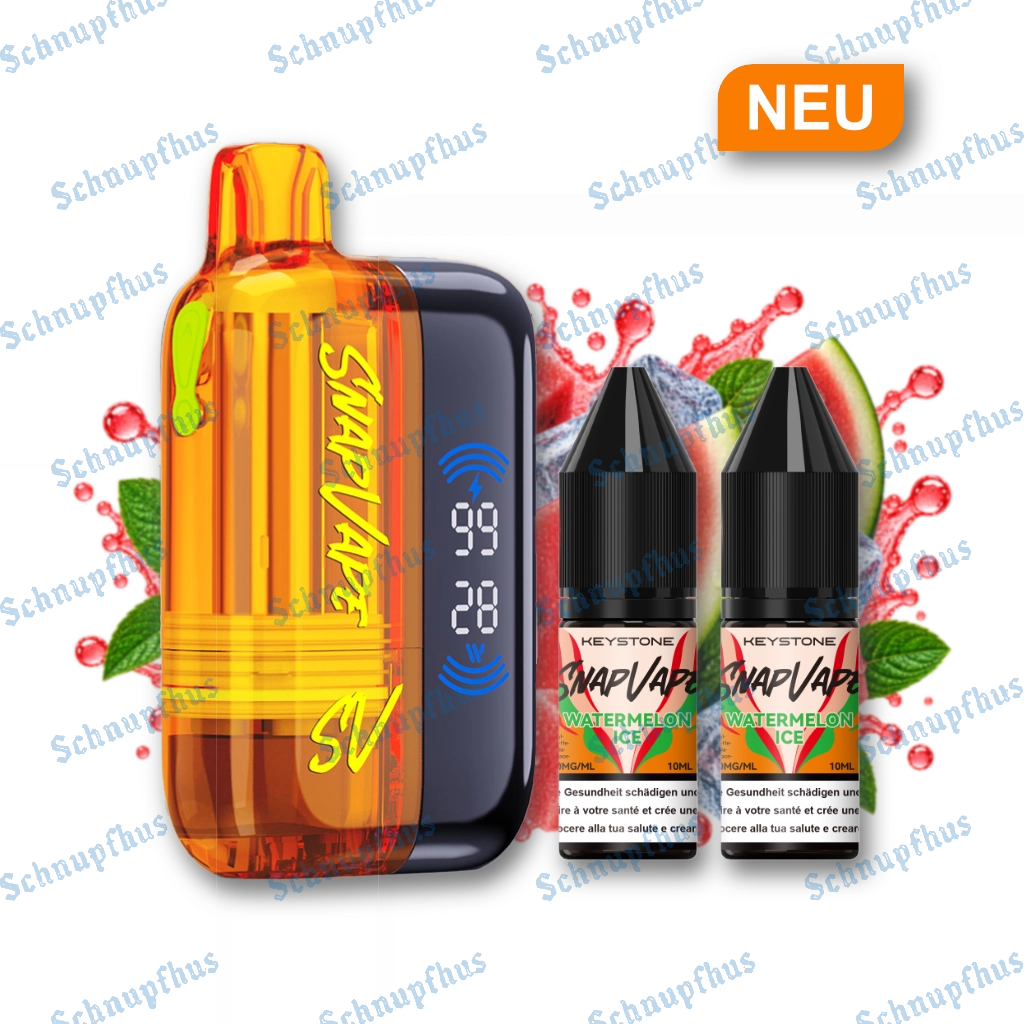
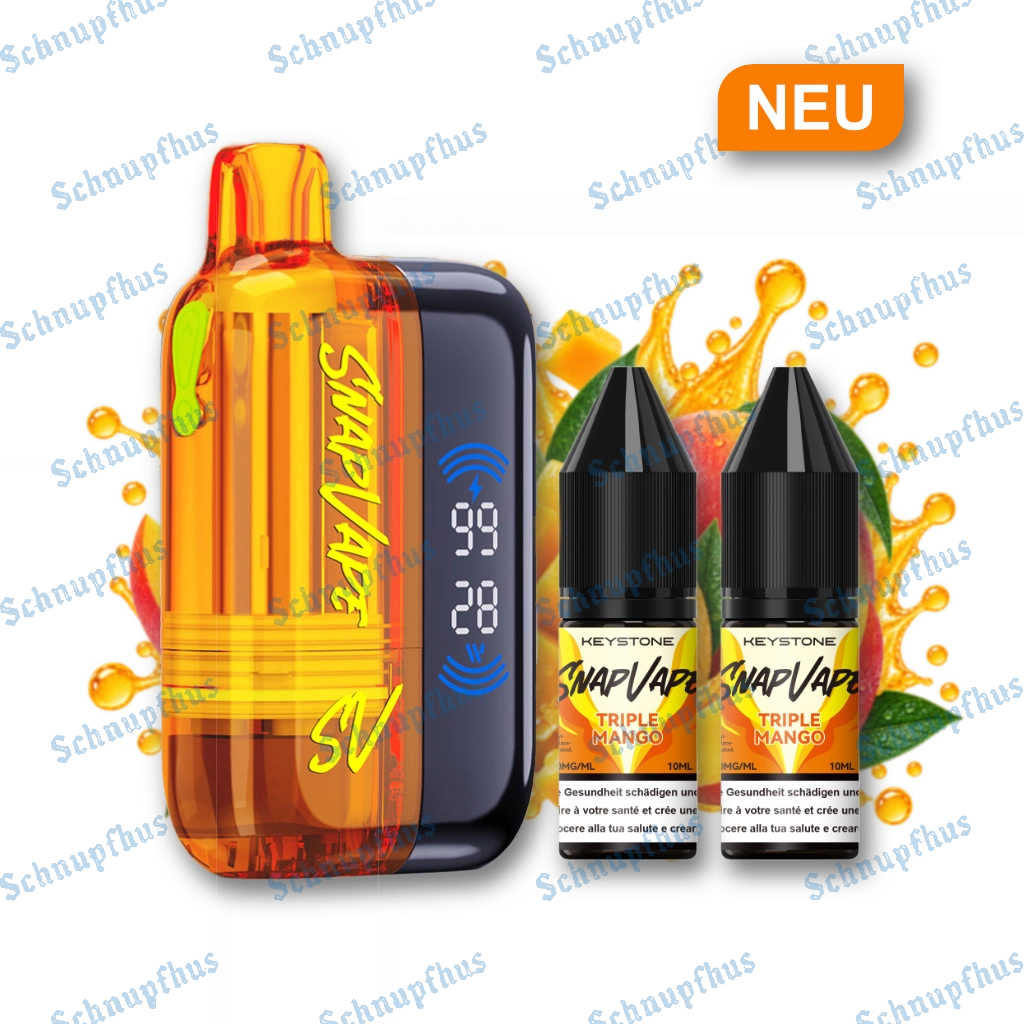
Traveling with E-Cigarettes and Snus: What to Consider When Flying Abroad
Vacation time at last! But before the relaxation begins, you have to pass through airport security. Vapers and snus users often wonder how to get their beloved products safely and legally to their destination. This guide clarifies the most important questions regarding transport, entry rules, and customs regulations, ensuring you can take your e-cigarette on the plane without any issues.
E-Cigarettes and Vapes: Hand Luggage or Checked Baggage?
Before packing their suitcases, many travelers ask themselves: Are vapes allowed on board? The short answer is yes, but where they must be transported is strictly regulated.
According to international IATA flight safety guidelines, devices with a built-in or removable lithium-ion battery strictly belong in your hand luggage. Are vapes allowed in checked baggage? A clear no. Under no circumstances should e-cigarettes be packed in large suitcases going into the cargo hold. Pressure fluctuations and physical impact create an acute fire hazard there. Carrying a vape in hand luggage, however, is permitted by almost every airline.
Tips for carrying them in hand luggage:
- Turn the device off completely before the flight.
- Empty the liquid tank or detach the pod from the battery. The changes in cabin pressure during the flight can cause the tank to leak.
- Secure spare batteries in special transport boxes to prevent short circuits.
Liquid Rules: How Much E-Liquid Can Go in Hand Luggage?
At security checkpoints, exactly the same rules apply to e-liquids as to cosmetics or drinks. How much liquid is allowed in hand luggage? Each individual bottle may have a maximum capacity of 100 milliliters. All containers must be stored together in a transparent, resealable plastic bag with a maximum volume of one liter.
E-liquid in hand luggage should also always be tightly closed. Those who need larger quantities for their vacation can easily pack them in their checked baggage (suitcase). It is advisable to wrap the bottles in plastic bags in case the pressure in the cargo hold causes leaks. If you want to learn more about the composition of your liquids, read our article on PG and VG in E-Liquids: What Is the Difference?.
Vaping on the Go: Rules at the Airport and in the Cabin
Vaping while traveling requires consideration and compliance with local regulations. Is vaping allowed on airport grounds or on the plane? There is an absolute ban on vaping and smoking on board aircraft. The highly sensitive smoke detectors in airplane lavatories react immediately to e-cigarette vapor. A violation can lead to emergency landings and massive fines.
At airports, the use of e-cigarettes is almost universally restricted to specially designated smoking areas, known as smoking lounges. Consumption in general waiting areas is usually prohibited.
Snus and Nicotine Pouches on the Flight
Those who want to take snus on vacation will have a much easier time at the security checkpoint than vapers. Snus and tobacco-free nicotine pouches (all-white pouches) are neither classified as liquids nor do they contain batteries. They can be transported in both hand luggage and checked suitcases as you please. Carrying a can for the flight in your pocket or backpack is completely unproblematic when it comes to snus on airplanes.
Tip for hot destinations: Ensure proper storage at your vacation spot. In our guide, Storing Snus and Nicotine Pouches Correctly: Tips for Maximum Freshness, you will find out how to keep the pouches from drying out even in the summer heat. For discussions with customs officials, it is also often helpful to know the Difference: Snus and Nicotine Pouches in Direct Comparison, as tobacco-free products are regulated differently than classic Swedish tobacco snus in many regions.
At a Glance: Hand Luggage vs. Checked Baggage
| Product | Hand Luggage (Cabin) | Checked Baggage (Hold) |
|---|---|---|
| E-Cigarette / Vape (with battery) | Yes (mandatory) | No (fire hazard) |
| E-Liquid (up to 100 ml) | Yes (in 1-liter plastic bag) | Yes |
| E-Liquid (over 100 ml) | No | Yes |
| Snus & Nicotine Pouches | Yes | Yes |
Customs Regulations and Entry Rules Worldwide
Whether it's vapes or snus: successfully taking them on the plane is just the first step. Ultimately, the customs regulations of the respective destination country are the deciding factor. These can vary greatly:
- E-Cigarettes: In some countries—including popular travel destinations like Thailand, Singapore, Taiwan, or Mexico—the importation, possession, and use of vapes are strictly prohibited. If e-cigarettes are discovered by customs there, confiscation and sometimes very high fines can be expected. In most European countries, however, taking them along for personal use is permitted without issue.
- Snus and Nicotine Pouches: Within the European Union, the commercial sale of tobacco-containing snus is prohibited (with the exception of Sweden). However, private importation for personal use in standard household quantities is permitted in most EU countries. For long-haul trips to countries outside Europe (for example, Australia, the USA, or the Middle East), strict duty-free allowances for tobacco and nicotine products sometimes apply. These must strictly be declared upon entry.
Therefore, always check the current regulations on the official websites of the customs authorities of your holiday destination before traveling.
Conclusion
Good preparation saves a lot of stress at the airport. Those traveling with an e-cigarette must comply with IATA guidelines: batteries and devices strictly belong in hand luggage, and liquids in 100 ml formats must go in the transparent bag. Snus users enjoy more freedom during transport, but just like vapers, they should carefully check the international customs and entry rules of their destination country. If you follow these basic rules, nothing stands in the way of a relaxed start to your vacation.
Frequently Asked Questions (FAQ)
Do e-cigarettes and vapes belong in hand luggage or in checked suitcases?
Due to the built-in lithium-ion batteries, e-cigarettes and vapes must be transported in hand luggage. They are strictly prohibited in checked baggage (in the cargo hold) because a potential battery malfunction poses an unnoticed fire hazard.
What quantities of e-liquid can you take on a flight?
For hand luggage: Liquid bottles may hold a maximum of 100 ml. All small bottles must be stored together in a transparent, resealable 1-liter plastic bag (one bag per passenger). Larger bottles or supplies must be safely sealed and placed in checked baggage (suitcase).
Are there any restrictions on bringing snus and nicotine pouches?
There are no restrictions at the airport security checkpoint. Snus and nicotine pouches can be packed in both hand luggage and checked baggage. However, the customs regulations of the destination country are decisive: Find out in advance about the permitted duty-free allowances for tobacco and nicotine products at your holiday destination.
Is vaping allowed on airport grounds or on the plane?
Vaping is strictly prohibited on the plane. The smoke detectors in the cabins and lavatories will also trigger an alarm from e-cigarette vapor. On airport grounds, vaping is only permitted in specially marked smoking zones or smoking lounges.